
Successful Customs Clearance in the EU: A Guide for Global Exporters
EU Customs Clearance: Avoid Pitfalls, Ensure Smooth Imports
1. Introduction: Your Gateway to the EU Market – The Importance of Customs Clearance
The European Union stands as one of the world's largest and most appealing markets, offering countless opportunities for global exporters. However, securing successful entry into the EU hinges on a precise understanding and adherence to local regulations, especially customs and origin rules. Even a minor oversight can lead to significant delays, extra costs, or even the rejection of your goods. In this article, we'll explore the most crucial aspects of the customs clearance process and show you how we can help you navigate these potential pitfalls.
2. Cornerstones of Successful EU Customs Clearance: Preparation and Documentation
Efficient customs clearance starts with meticulous preparation. Before your goods even begin their journey, ensure all necessary documents are perfectly in order and fully comply with EU requirements. Key documents include, but are not limited to:
Key documents include, but are not limited to
- Commercial Invoice: Accuracy is paramount. It must detail the goods, their HS (Harmonized System) code, quantity, unit price, total value, Incoterms (delivery terms), and the full details of both the exporter and importer.
- Packing List: This document provides specific information on the contents, weight, and dimensions of each package.
- Transport Document (Bill of Lading / Air Waybill): Proof of the carriage contract.
- Permits and Certificates: Certain products (e.g., food, pharmaceuticals, electronics) require specific import permits, health certificates, or conformity declarations.
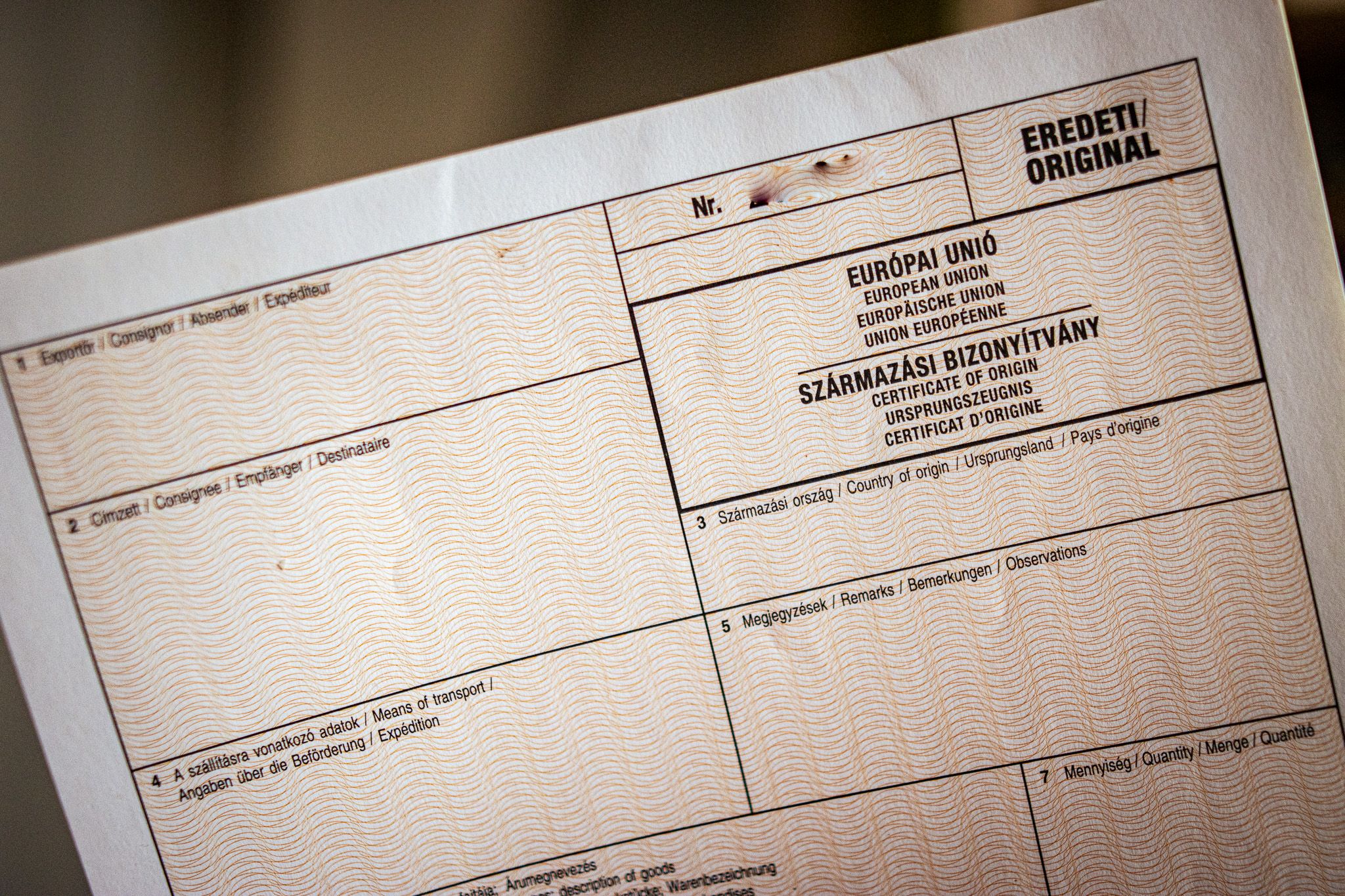
- Certificate of Origin / EUR.1 / statement on origin declaration: Even if it's for non-preferential origin (meaning no customs duty reduction), this document is often required for customs clearance, statistical purposes, and the application of certain trade measures.
Key terms and abbreviations
- HS (Harmonized System) code
- The Harmonized System code that classifies goods on the Commercial Invoice; an incorrect HS code leads to wrong duty rates.
- Incoterms
- The delivery terms stated on the Commercial Invoice; incorrect Incoterms affect customs valuation and responsibilities.
- Certificate of Origin / EUR.1 / statement on origin declaration
- Document evidencing origin. Even for non-preferential origin (meaning no customs duty reduction), it is often required for customs clearance, statistical purposes, and the application of certain trade measures.
- FPE (First Point of Entry)
- The First Point of Entry into the EU where the mandatory veterinary inspection of food and animal products must occur.
3. Common Mistakes to Watch Out For
Errors during customs clearance can be costly. Here are some typical problems we encounter:
Typical problems we encounter
Invoicing Errors: Incomplete or inaccurate goods descriptions. Incorrect HS code leading to wrong duty rates. Incorrect Incoterms affecting customs valuation and responsibilities. Valuation issues: Under- or over-invoicing.
Wrong duty rates, miscalculated customs valuation and responsibilities, and under- or over-invoicing which can raise suspicions of customs fraud.
Incorrect Origin Declaration: While non-preferential origin doesn't grant duty benefits, an erroneous declaration can still cause issues with EU authorities.
Issues with EU authorities, especially if trade policy measures (like anti-dumping duties) apply to goods from specific countries.
Missing or Invalid Permits: Depending on the nature of the product, missing import licenses or inadequate conformity certificates.
Can halt the entire process.
Late Document Submission: Missing deadlines.
Can result in fines or storage fees for the goods.
4. The Invaluable Benefit of Expert Assistance
In global trade, a deep understanding of local markets and regulations is indispensable. This is where we step in. Our company, Smart & Smooth Kft., works closely with both the importer and exporter to ensure the smoothest possible customs clearance.
How we ensure the smoothest possible customs clearance
- Communication and Coordination: We bridge language and cultural gaps. We continuously liaise with the exporter regarding document accuracy and with the importer on their customs clearance needs.
- Error Prevention: We proactively identify potential invoicing errors, incorrect origin declarations, or HS code issues before they cause problems with customs authorities.
- Complex Case Management: We handle even the most intricate customs clearance scenarios with expertise. If unique or particularly challenging questions arise, we have an extensive network of external experts who help us find the best solutions.
- Freight Forwarder Collaboration: We maintain close contact with freight forwarders to ensure seamless information flow and perfect coordination of logistics with customs procedures.
- Legalizations: Should the importing party require further legalization (e.g., Ministry of Foreign Affairs or embassy/conulate legalization), we assist with these procedures in Hungary, easing the burden on you.
5. Conclusion: Entrust Your EU Customs Clearance to Professionals!
Successful EU import isn't just about sending goods; it's about precise documentation, knowledge of regulations, and effective communication. Don't let customs clearance hurdles obstruct your international business plans.
Smart & Smooth Kft. is your reliable partner for import customs clearance into the European Union. With our expertise and proactive approach, we ensure your goods enter the EU market as quickly and cost-effectively as possible.
Find out more about our services and pricing on our export documents authentication page, or feel free to contact us at dora.janos@sasltd.eu for a tailored solution to your import needs! Let us handle the bureaucratic complexities so you can focus on your global business opportunities!
Frequently Asked Questions
Which documents are required for EU customs clearance?
Is a Certificate of Origin needed even for non-preferential origin?
What happens if the HS code or Incoterms on the invoice are wrong?
Why are veterinary documents critical for food and animal products?
What are the consequences of submitting documents late?
Related reading
Export Customs Clearance Guide
Step-by-step export clearance from Hungary, document by document.
EUR.1 Movement Certificate – The Complete Guide
How the EUR.1 / origin declaration works and when you need it.
When the HS Code Isn’t Just a Number
Why correct HS classification keeps your duty rates right.
Entrust Your EU Customs Clearance to Professionals
Find out more about our services and pricing on our export documents authentication page, or contact us at dora.janos@sasltd.eu for a tailored solution to your import needs.
Contact us